Artificial plants have become an increasingly popular choice for interior decoration because they provide long-lasting greenery without the maintenance requirements of real plants. However, simply placing an artificial plant in a corner does not always create a natural-looking result.
The difference between an ordinary artificial plant display and a professional-looking arrangement often comes down to one important step: proper arrangement and styling.
Whether decorating a home, office, hotel lobby, restaurant, shopping mall, or commercial project, knowing how to arrange artificial plants can significantly improve the overall appearance of the space.
A well-designed artificial plant arrangement should not only look realistic but also work with the architecture, furniture, lighting, and purpose of the environment.
In professional interior projects, artificial plants are not treated as simple decorations. They are considered design elements that help create atmosphere, improve visual balance, and guide people's attention through a space.
This guide explains how to arrange artificial plants, how to make faux plants look natural, how to choose the right size and planter, and how professional designers create attractive greenery displays.
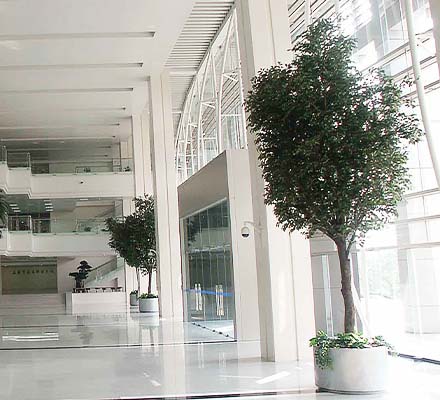
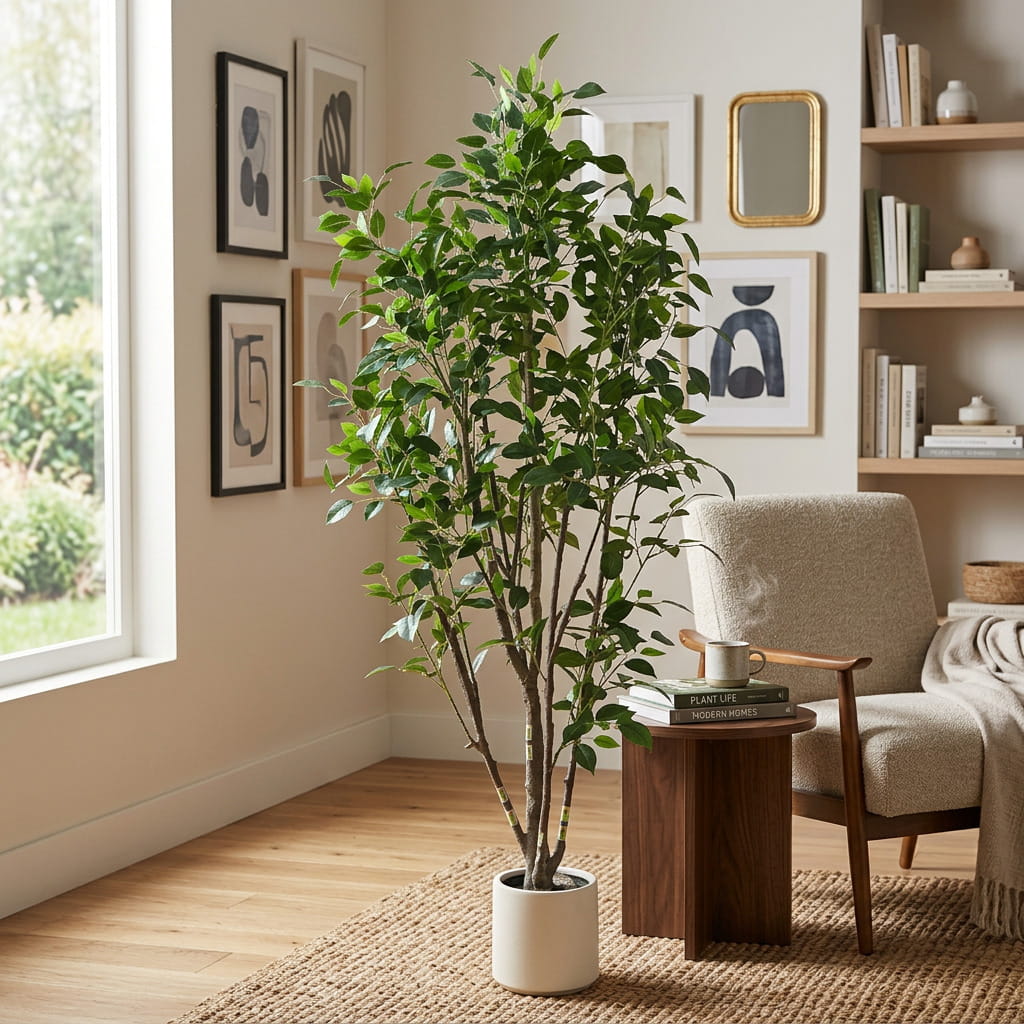
Why Artificial Plants Need to Be Arranged After Unpacking
Many people expect artificial plants to look exactly like product photos immediately after opening the package. However, this is usually not the case.
During transportation, artificial plants are carefully compressed and protected to reduce damage and shipping space. As a result, branches and leaves may become:
- Flattened
- Closely grouped together
- Bent in one direction
- Less full than expected
- Too symmetrical
These conditions are normal after shipping.
The first step after receiving an artificial plant is not placing it directly into the room, but restoring its natural shape.
A few minutes of careful adjustment can dramatically improve the final appearance.
From a manufacturing perspective, realistic artificial plants are designed with flexible stems, layered foliage structures, and adjustable branches specifically because natural-looking results require customized shaping after installation.
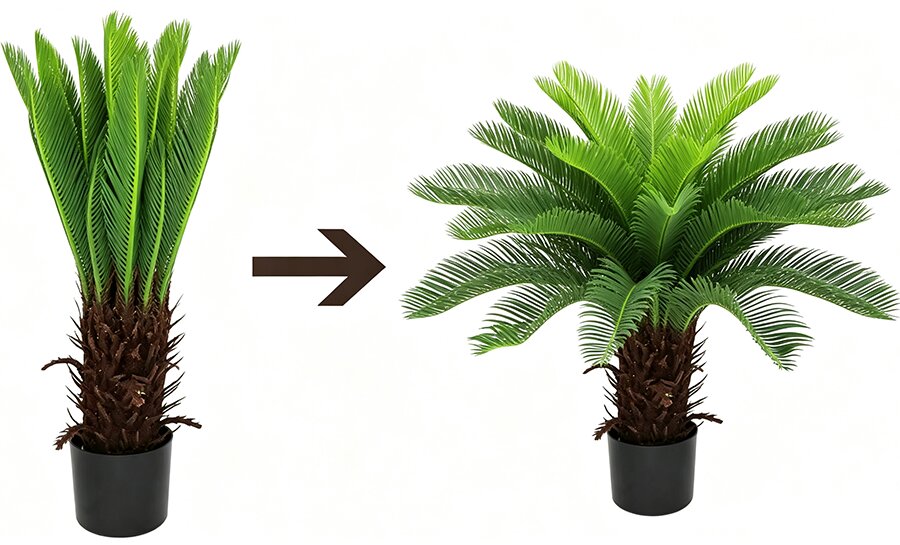
Step 1: Remove Packaging and Separate the Main Structure
Start From the Inside and Work Outward
When arranging artificial plants, many people immediately adjust individual leaves. However, the more effective approach is to start with the main structure.
Follow these steps:
1. Remove all protective materials
Carefully remove:
- Plastic wrapping
- Protective paper
- Packaging ties
- Shipping materials
Avoid pulling branches aggressively because this may damage connection points.
2. Separate the main stems
Begin with the larger branches first.
Spread them away from the center to create the overall silhouette.
3. Adjust smaller foliage
After the main structure is established, move smaller branches and individual leaves into natural positions.
This inside-out approach creates better depth and prevents the plant from looking flat.A common mistake is focusing only on surface leaves. However, realistic appearance depends more on the overall branch structure. If the internal framework looks natural, the smaller details will appear more realistic.
How to Make Artificial Plants Look Natural
Creating a realistic artificial plant arrangement is not about making every leaf perfect. In nature, plants are naturally irregular.
The goal is to recreate natural variation.
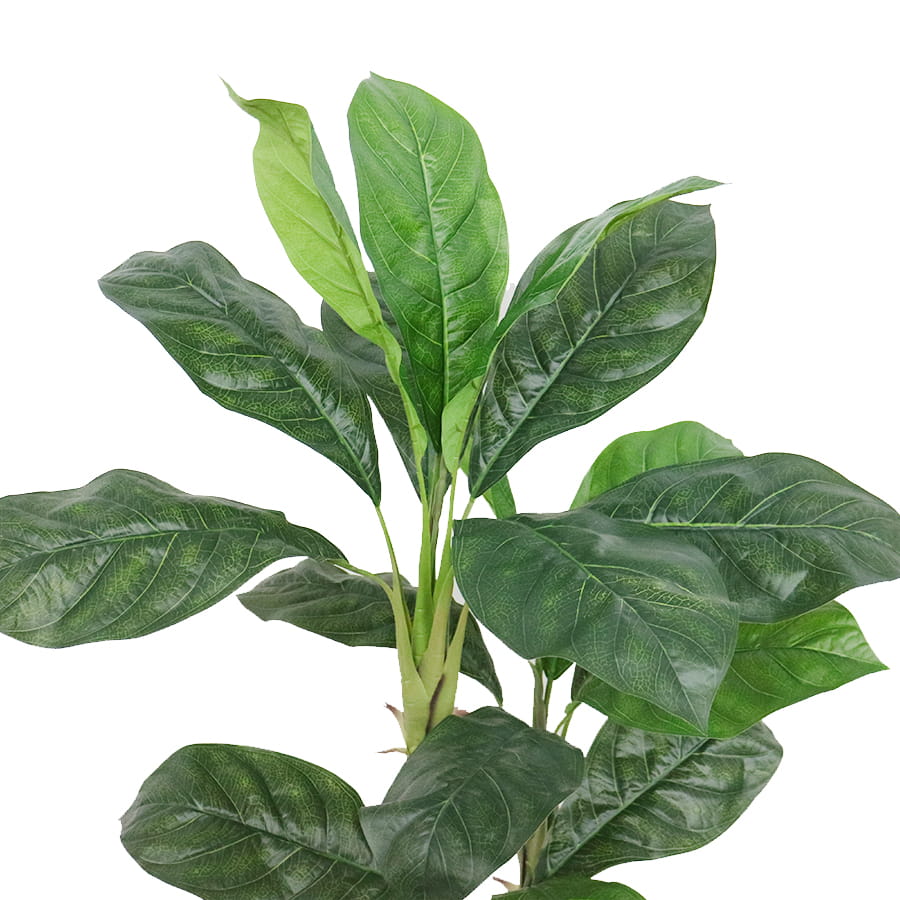
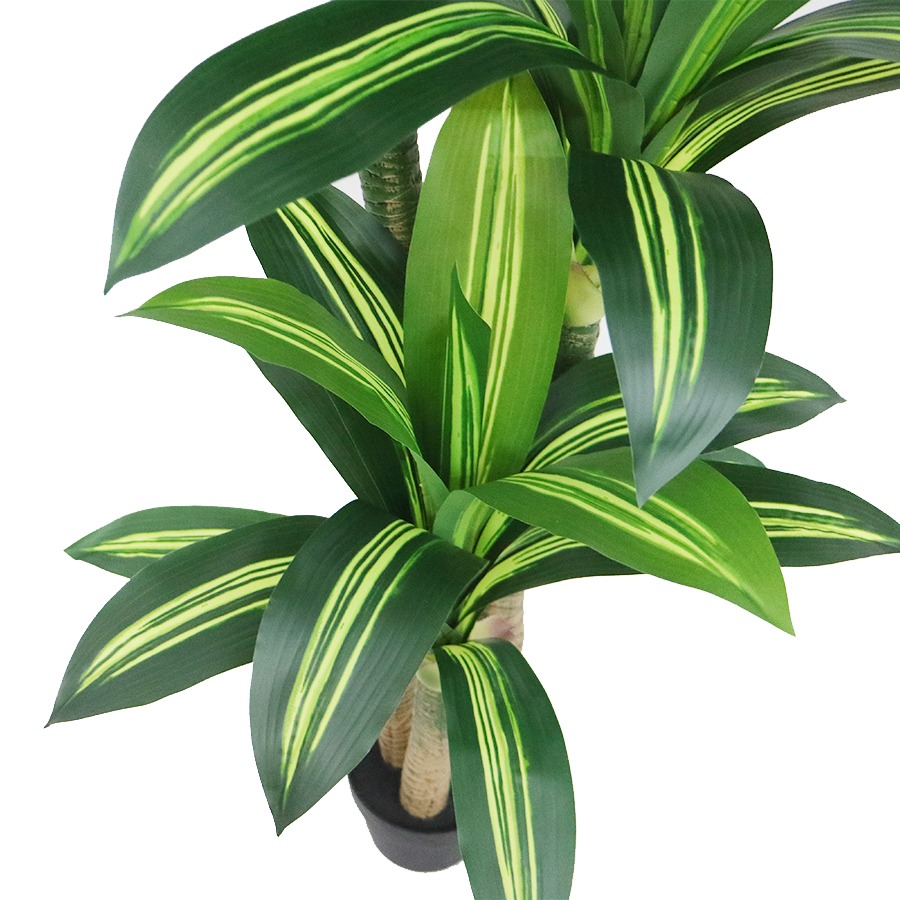
1. Choose Artificial Plants With Realistic Details
The foundation of a realistic arrangement starts with the quality of the plant itself.
High-quality artificial plants should include:
- Realistic stem texture
- Natural color variation
- Different shades of green
- Irregular leaf shapes
- Different leaf sizes
- Layered foliage density
Real plants are not manufactured with identical patterns. Every leaf grows differently, and colors change depending on sunlight exposure and plant age.
Therefore, artificial plants with small variations usually create a more convincing appearance.
For commercial projects, realistic details are especially important because customers often view plants from different distances and angles.
A plant that looks realistic from three meters away should also maintain believable details when viewed closely.
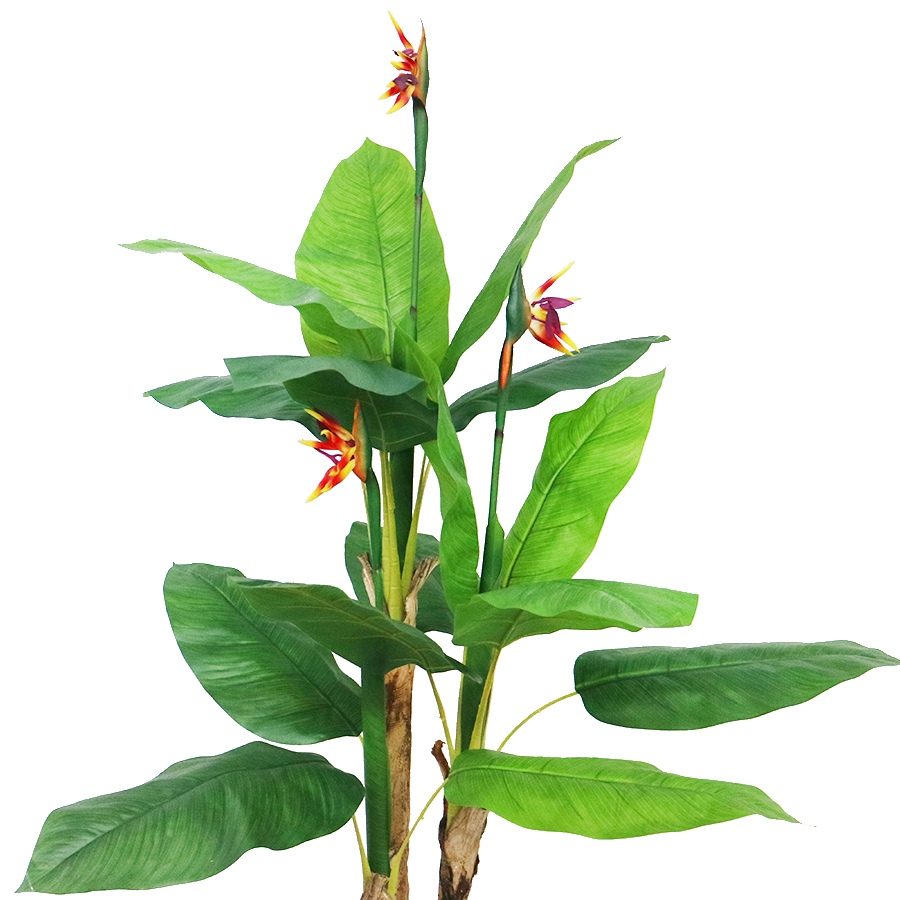
2. Adjust Leaves at Different Heights and Angles
One of the biggest differences between artificial-looking and natural-looking plants is movement.
Real plants rarely grow with every branch pointing in the same direction.
When arranging artificial plants:
- Bend some branches upward
- Allow some leaves to extend sideways
- Keep some foliage closer to the center
- Move some branches slightly downward
Different heights and angles create depth.
For example, an artificial palm tree should not have all fronds spreading evenly like a perfect circle. Some leaves should be higher, some lower, and some slightly curved.
Similarly, artificial olive trees usually look better with an open branch structure rather than a perfectly round shape.
The most realistic artificial plant arrangements usually contain controlled irregularity. Too much symmetry often makes the plant look artificial.
3. Match Plant Size With Room Scale
Choosing the correct plant size is one of the most important factors in successful artificial plant decoration.
A beautiful artificial tree can look inappropriate if the scale does not match the environment.
Before selecting a plant, consider:
- Ceiling height
- Floor space
- Furniture size
- Walking paths
- Viewing distance
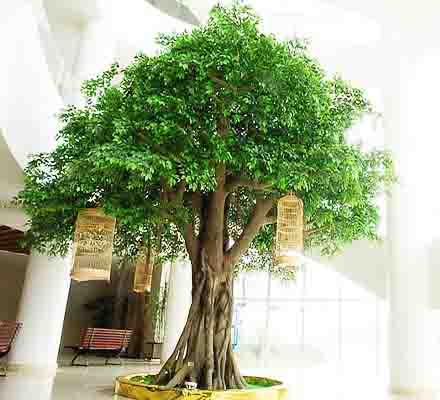
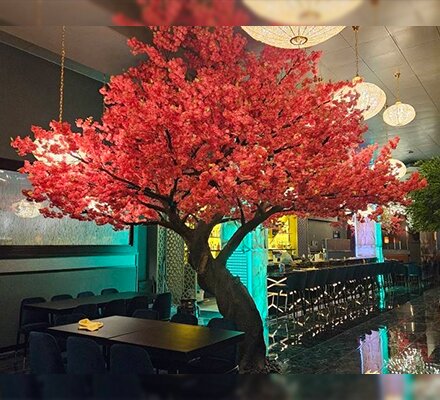
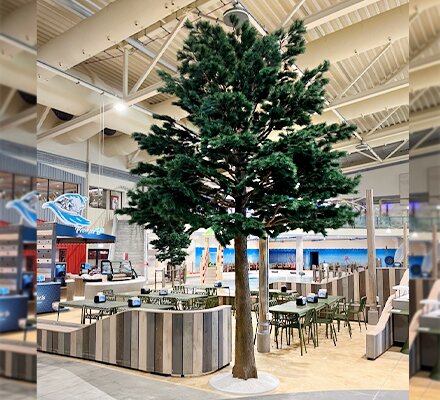
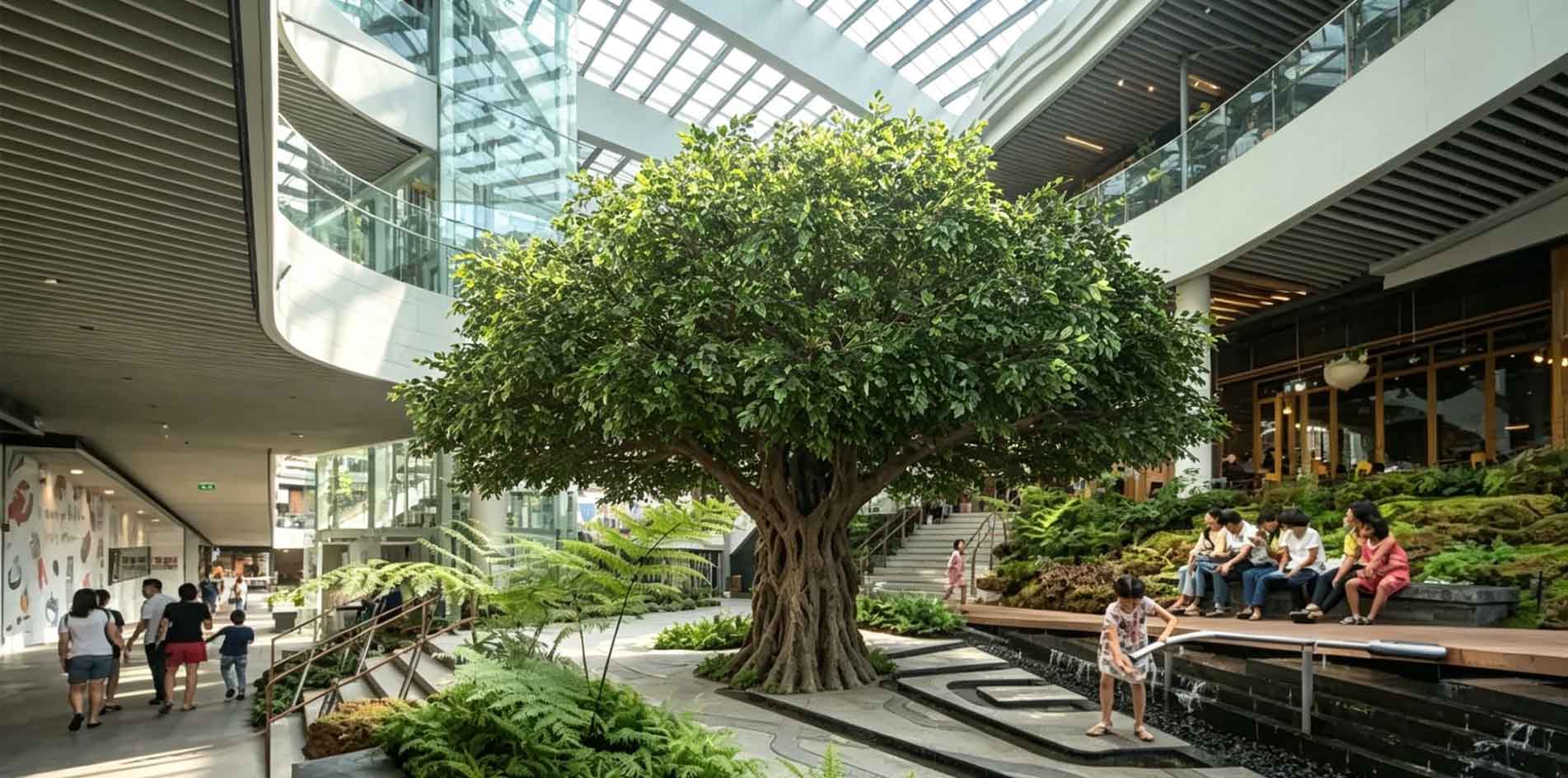
Large Artificial Trees
Suitable for:
- Hotel lobbies
- Shopping malls
- Entrance areas
- Large offices
- Luxury restaurants
Medium Artificial Plants
Suitable for:
- Meeting rooms
- Reception areas
- Lounge spaces
Small Artificial Plants
Suitable for:
- Desks
- Shelves
- Countertops
- Side tables
A well-proportioned plant should support the space instead of competing with it.