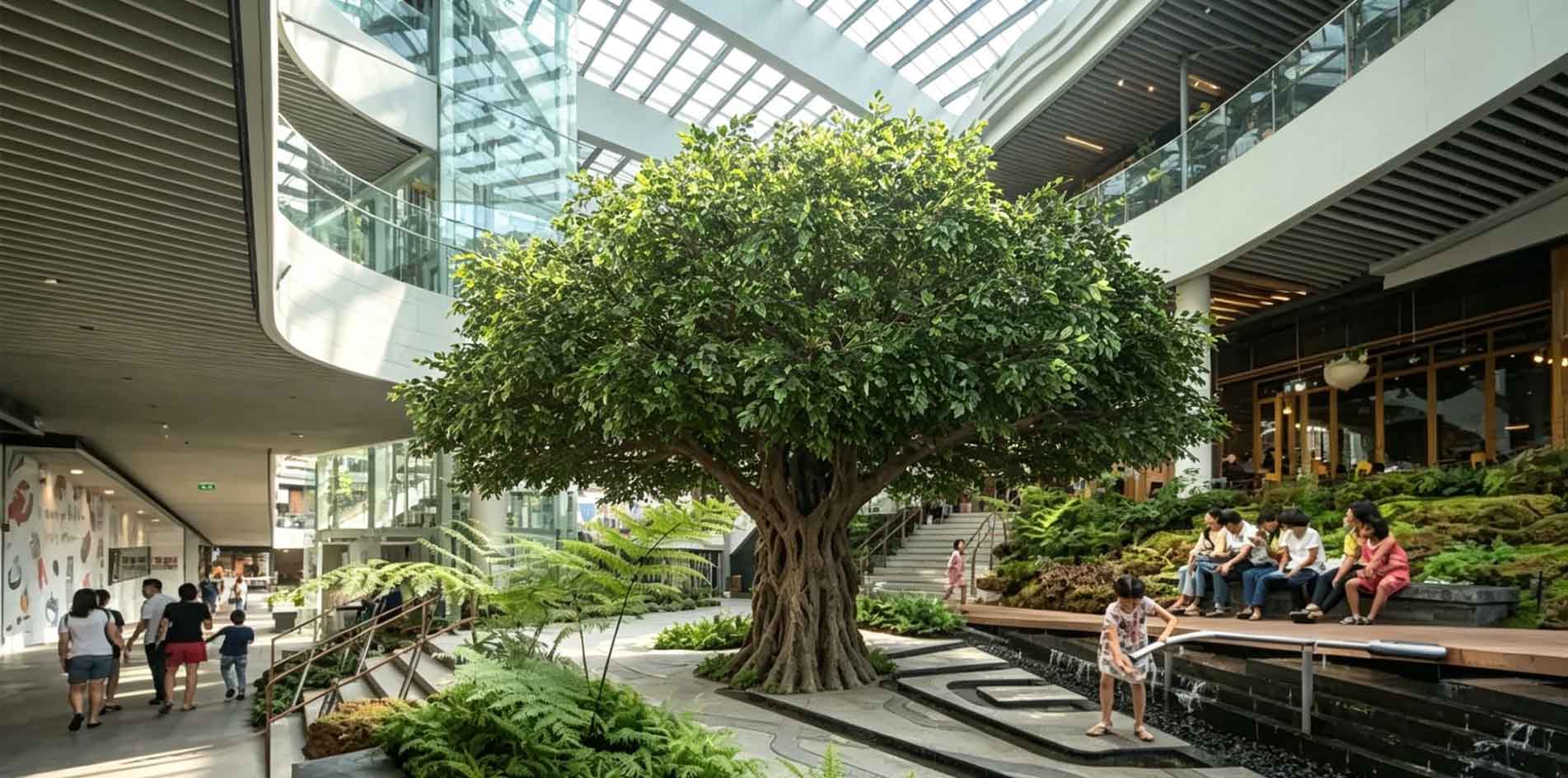
Artificial plants have become a popular choice for home decoration because they add greenery and visual interest without requiring regular watering, pruning, or special lighting. For online home décor stores, artificial plants, faux indoor plants, and decorative greenery can also help expand product collections and meet different customer needs.
However, selecting the right artificial plants for an online store involves more than choosing attractive designs. Retailers need to consider product appearance, customer preferences, selling prices, packaging, shipping costs, and the overall style of their home décor collection.
The right product selection can help online retailers create a more balanced assortment, reduce shipping-related issues, and offer artificial greenery suitable for different interior spaces.
This guide explains how to select artificial plants for an online home décor store, including popular product types, key quality factors, pricing considerations, and supplier evaluation tips.
1. Understand Your Target Customers
Before selecting artificial plants, an online home décor retailer should first understand its target customers. Different customer groups may have different expectations regarding plant style, size, quality, and price.
For example, a store selling affordable home accessories may focus on small artificial plants and simple faux greenery. A retailer specializing in premium interior décor may prefer realistic artificial trees, decorative planters, and more detailed botanical designs.
Consider the following customer factors:
Home Style
Your customers may prefer different interior design styles, such as:
-
Modern and minimalist interiors
-
-
-
Traditional home decoration
-
-
Rustic and natural interiors
-
Luxury and contemporary homes
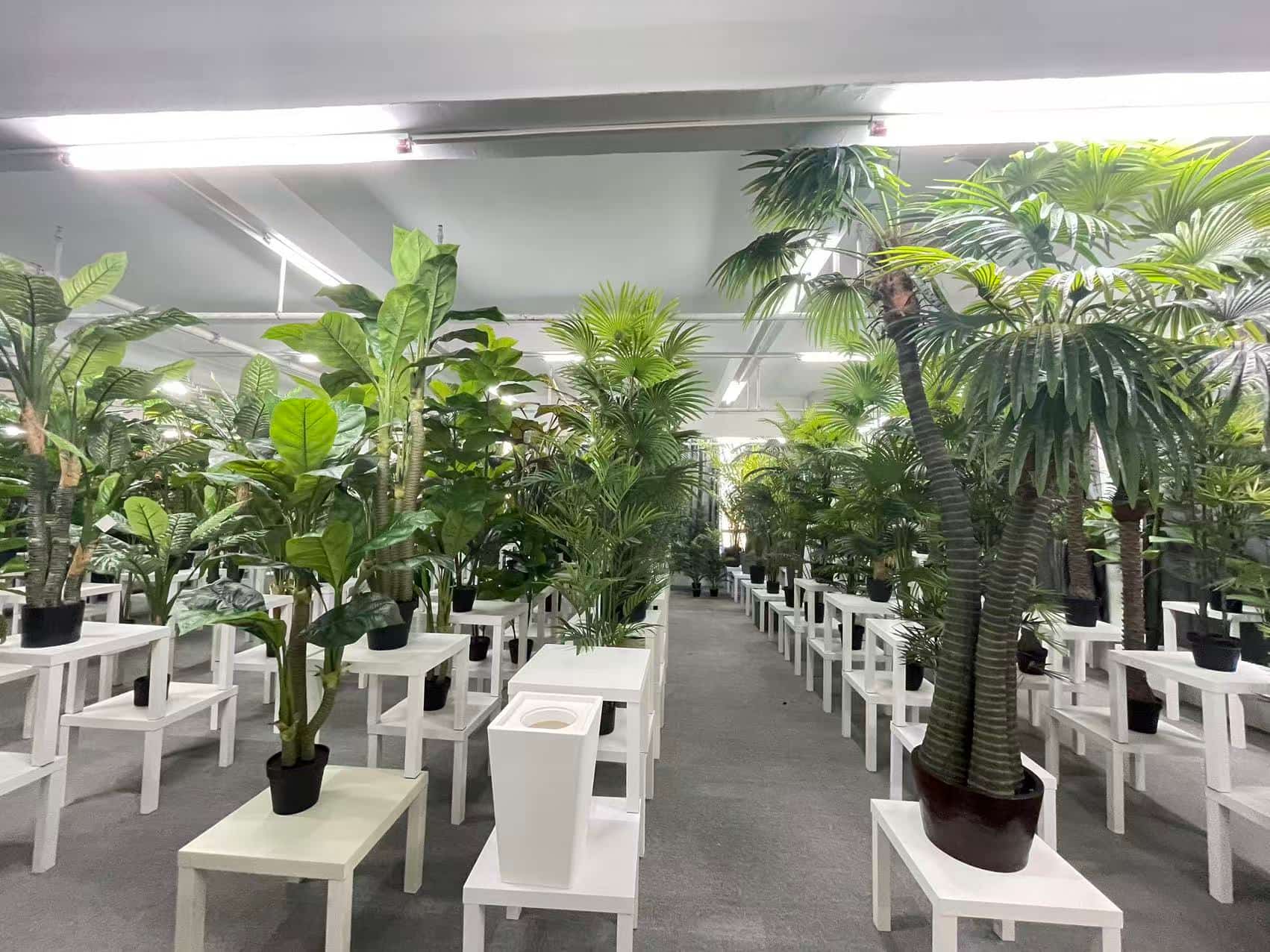
Artificial plants should match the overall design direction of your online store. For example, simple artificial olive trees may suit minimalist or Mediterranean-style interiors, while artificial monstera plants and palms may be suitable for tropical or contemporary spaces.
Customer Budget
Product pricing also influences purchasing decisions. Some customers are looking for affordable decorative plants, while others are willing to pay more for realistic materials, larger sizes, and premium pots.
A balanced product range can include:
-
Entry-level artificial plants for smaller budgets
-
Mid-range faux plants for everyday home décor
-
Premium artificial trees and decorative plants for higher-value purchases
Offering products across several price ranges can help an online home décor store serve a wider customer base.
Room and Space Requirements
Customers may be shopping for artificial plants for living rooms, bedrooms, home offices, entryways, balconies, or dining areas. Small apartments may require compact plants, while customers with larger homes may be interested in tall artificial trees.
Understanding these use cases can help retailers choose products that are easier to present and promote online.
2. Choose Artificial Plant Types with Consistent Demand
A successful online home décor store generally needs a product assortment that includes different sizes, shapes, and botanical styles. Instead of relying on only one type of artificial plant, retailers can combine smaller decorative plants with larger statement pieces.
The following categories are worth considering when selecting faux plants for a home décor shop.
Small Artificial House Plants
Small artificial house plants are suitable for desks, shelves, bedside tables, kitchen counters, and bathroom decoration.
Popular options include:
-
-
-
-
-
Artificial sansevieria plants
-
Small artificial monstera plants
-
Mini artificial flowering plants
These products are often easier to package and ship than large artificial trees. They can also be sold as individual items or grouped into decorative collections.
For online retailers, small artificial house plants may be useful as entry-level products because customers can purchase them for different rooms without making a significant investment.
Artificial Potted Plants
Artificial potted plants combine the plant itself with a decorative container. This product format can make purchasing more convenient because customers do not need to select a separate pot.
When selecting artificial potted plants, consider:
-
-
-
-
-
Overall visual presentation
-
Neutral-colored pots, such as white, beige, gray, and black, can work with different interior styles. However, textured ceramic-style pots, woven containers, and natural-looking planters may also be suitable for specific collections.
Artificial Indoor Trees
Artificial indoor trees can create a stronger visual impact and are suitable for living rooms, entrances, offices, hotels, and other larger spaces.
Common options include:
-
-
-
-
-
-
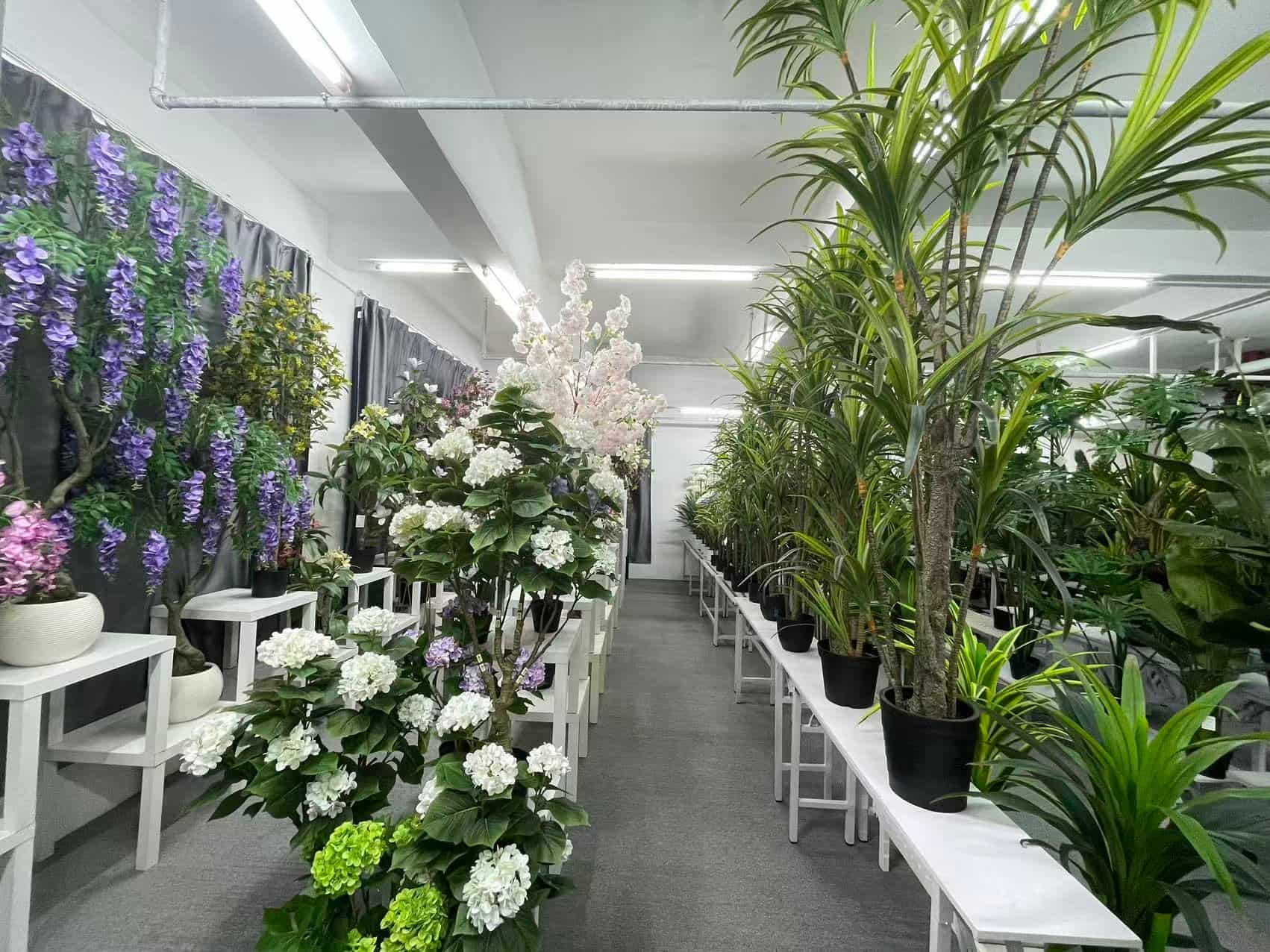
Artificial cherry blossom trees
-
When choosing artificial indoor trees, retailers should pay attention to height, canopy width, trunk appearance, leaf density, and packaging requirements.
For an online store, product dimensions should be clearly displayed because customers need to understand how the tree will fit into their space.
Faux Greenery and Hanging Plants
Faux greenery products are useful for customers who want to add natural-looking decoration without using large floor plants.
Possible products include:
-
Artificial hanging pothos
-
Artificial trailing plants
-
-
-
-
Artificial greenery stems
-
Artificial decorative leaves
These products can be used on shelves, walls, cabinets, hanging baskets, and tables. They may also be combined with other home décor products to create coordinated decorative arrangements.
3. Prioritize Realistic Appearance and Material Quality
One of the most important factors when selecting artificial plants is their appearance. Customers purchasing faux plants online usually rely on product photographs, descriptions, and reviews to judge quality before placing an order.
Artificial plants with realistic colors, natural leaf shapes, and well-designed structures may create a more appealing impression than products with overly glossy or unnatural materials.
Leaf Color and Texture
When evaluating artificial plants, check whether the leaves have:
-
-
Appropriate shades of green
-
-
-
Natural shapes and positioning
-
A matte or semi-matte appearance where appropriate
A uniform green color may make a product look less natural. Subtle variations in color and leaf size can create a more botanical appearance.
For example, artificial olive trees may look more realistic when their leaves combine different shades of green and gray rather than using a single bright green tone.
Trunk and Stem Design
The trunk is particularly important for artificial trees. A poorly designed trunk may reduce the overall appearance of an otherwise attractive product.
Retailers can compare:
-
Natural wood trunk options
-
Textured artificial trunks
-
-
-
-
For premium artificial trees, real wood trunks or carefully finished artificial trunks may be worth considering. The best option depends on the product style, budget, and intended application.
Product Structure
Artificial plants should maintain a natural shape after unpacking. Leaves and branches that become heavily compressed during transportation may require additional shaping by the customer.
Before selecting products, ask suppliers about:
-
-
Leaf and branch flexibility
-
Shape recovery after shipping
-
Whether the product requires installation
-
Instructions for arranging branches
Clear assembly and shaping instructions can improve the customer experience.
4. Select Artificial Plants Based on Size and Product Proportions
Product size is a major consideration when choosing artificial plants for an online home décor store. Customers often search for products based on a specific height or available space.
A well-organized assortment may include small, medium, and large artificial plants.
Suggested Size Categories
| Product Category |
Approximate Size |
Common Applications |
| Small faux plants |
15–40 cm |
Desks, shelves, tables |
| Medium artificial plants |
50–120 cm |
Cabinets, side tables, corners |
| Large artificial plants |
130–200 cm |
Living rooms, offices, entrances |
| Artificial trees |
Over 200 cm |
Commercial interiors and spacious rooms |
These categories are general guidelines rather than fixed standards. The visual volume of a plant also depends on its canopy width and leaf density.
For example, a 150 cm artificial plant with a narrow shape may occupy less space than a 120 cm plant with a wide canopy.
These categories are general guidelines rather than fixed standards. The visual volume of a plant also depends on its canopy width and leaf density.
For example, a 150 cm artificial plant with a narrow shape may occupy less space than a 120 cm plant with a wide canopy.
Consider Product Photography
The product’s appearance in online photographs should accurately represent its size. Retailers should request images showing:
-
-
The product beside a person or furniture
-
Close-up details of leaves and stems
-
-
The product after assembly
-
Accurate photography can help customers make informed purchasing decisions and reduce misunderstandings about product dimensions.
5. Choose Popular Faux Indoor Plants for Different Interior Styles
When selecting artificial plants for home décor ecommerce, retailers should consider products that can be used in multiple interior settings.
Versatile products may appeal to a wider range of customers and can be promoted through different room-based collections.
Artificial Olive Plants
Artificial olive trees and olive branches are often suitable for minimalist, modern, Mediterranean, and natural-style interiors.
Potential product features include:
-
Soft green or gray-green leaves
-
Natural-looking branch structures
-
-
-
Real wood or textured trunks
Olive plants can be promoted for living rooms, dining areas, entryways, and commercial interiors.
Artificial Monstera Plants
Artificial monstera plants have large, distinctive leaves and can add a tropical or contemporary feel to an interior.
They may be suitable for:
Retailers can consider different sizes, from compact potted monstera plants to larger floor-standing versions.
Artificial Bamboo Plants
Artificial bamboo is a flexible product category that can be used in residential and commercial settings. Its vertical structure makes it suitable for corners, entrances, and spaces where customers want a taller decorative plant.
Different heights and pot styles can help retailers create a more complete product range.
Artificial Palm Plants
Artificial palms can add a tropical appearance to interior spaces. Depending on their size and design, they may be suitable for living rooms, hospitality environments, restaurants, and commercial projects.
When choosing artificial palms, evaluate leaf structure, trunk appearance, canopy fullness, and product stability.
Artificial Pothos and Hanging Greenery
Artificial pothos and trailing plants are suitable for shelves, hanging planters, and decorative arrangements. Their flexible placement makes them useful for customers who want to add greenery without occupying floor space.
Retailers may consider selling them in different lengths and leaf densities to meet different decorating needs.
6. Build a Balanced Product Assortment
An online home décor store should avoid selecting products only by individual appearance. The overall assortment should also be balanced in terms of product types, sizes, colors, and prices.
A balanced collection may include the following:
Entry-Level Products
These products can attract customers who are trying artificial plants for the first time.
Examples include:
-
-
Artificial greenery stems
-
-
-
Small decorative branches
Mid-Range Products
These products may form the main part of the store’s artificial plant collection.
Examples include:
-
Medium artificial potted plants
-
Artificial monstera plants
-
-
-
Premium Products
Premium products may be suitable for customers seeking larger decorative pieces or more realistic designs.
Examples include:
-
Large artificial indoor trees
-
Artificial trees with real wood trunks
-
-
Large decorative flowering trees
-
Custom artificial plants for interior projects
A retailer can adjust the proportion of each category according to its brand positioning and customer demand.
7. Consider Packaging and Shipping Requirements
Shipping is especially important for online home décor stores because artificial plants are often sold individually and delivered directly to customers.
A visually attractive product may still create operational challenges if it is difficult to package, easily damaged, or expensive to transport.
Product Packaging
Ask suppliers about the following packaging details:
-
-
-
Number of pieces per carton
-
Protection for leaves and branches
-
-
Assembly or disassembly requirements
-
-
Drop or transportation protection
Small artificial plants are generally easier to pack, while large artificial trees may require special packaging or detachable components.
K/D and Modular Designs
For large artificial trees, knock-down or detachable designs may help reduce packaging volume. Branches, trunks, and pots may be designed for assembly after delivery, depending on the product structure.
However, the retailer should confirm:
-
How the product is assembled
-
Whether tools are required
-
Whether assembly instructions are included
-
Whether the product remains stable after installation
-
Whether the assembled appearance matches the product photographs
Packaging design should protect the product without creating unnecessary shipping costs or excessive assembly work for customers.