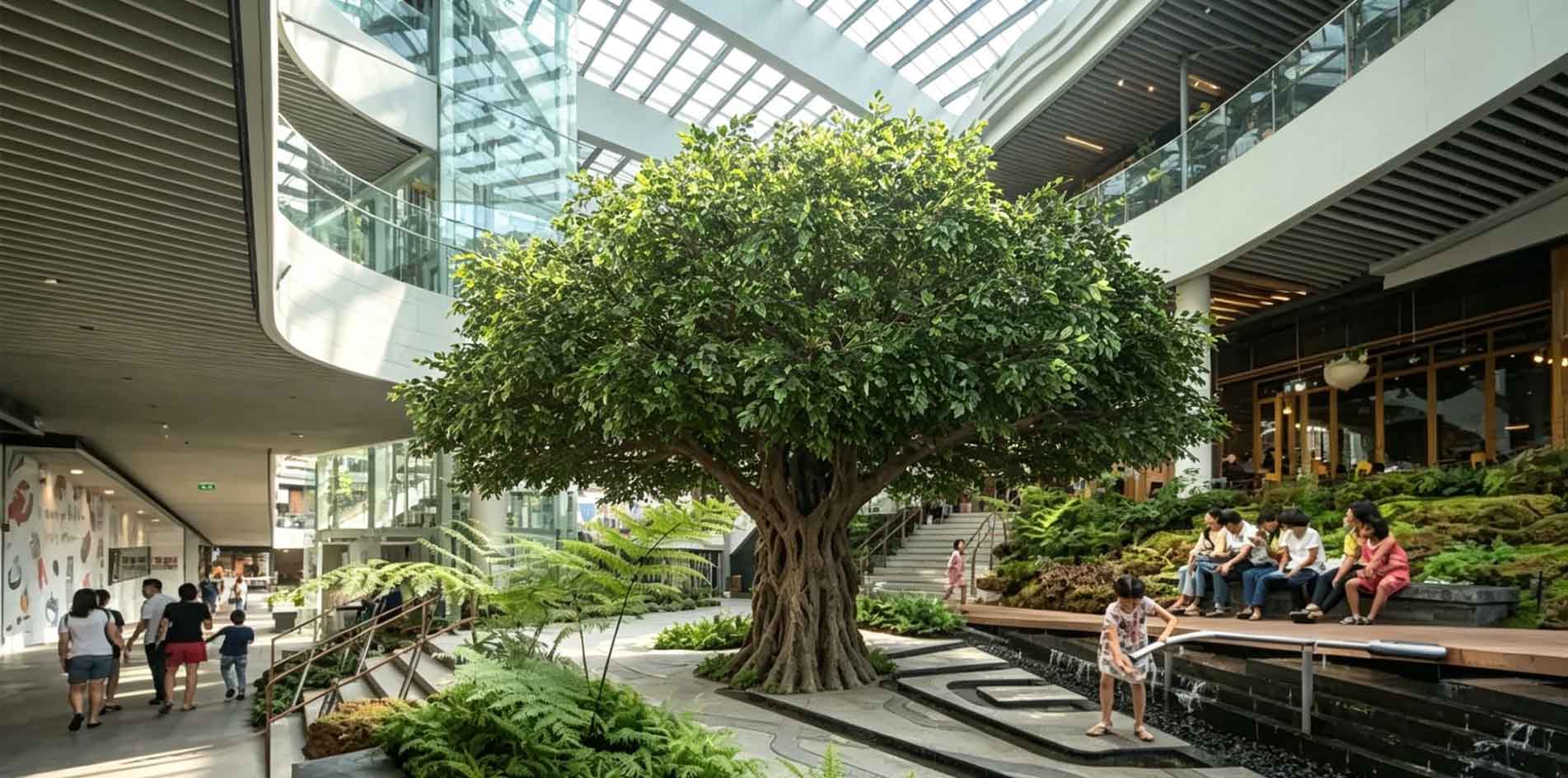
When you receive a new artificial plant, it may not look exactly like the display photos immediately after opening the package. Leaves may be folded, branches may be pressed together, and the overall shape may appear smaller or less natural.
This happens because artificial plants are usually packed carefully to protect the structure and reduce transportation space. During shipping, branches and leaves can become compressed, especially for larger artificial trees and plants.
The good news is that most artificial plants are designed to be reshaped. With a few simple adjustments, you can restore the original appearance and create a fuller, more realistic look.
Knowing how to shape artificial plants after unpacking is useful for homeowners, interior designers, retailers, hotels, restaurants, and commercial spaces that want their artificial greenery to look natural and attractive.
This guide explains how to reshape fake plants, how to fluff artificial plants, how to arrange artificial plant leaves, and how to style artificial trees step by step.
Before shaping the leaves:
Why Do Artificial Plants Need Shaping After Unpacking?
Artificial plants are made with flexible materials such as plastic, fabric, silk, PE, PVC, and metal-supported stems. These materials allow plants to maintain their structure while also making it possible to adjust their shape after installation.
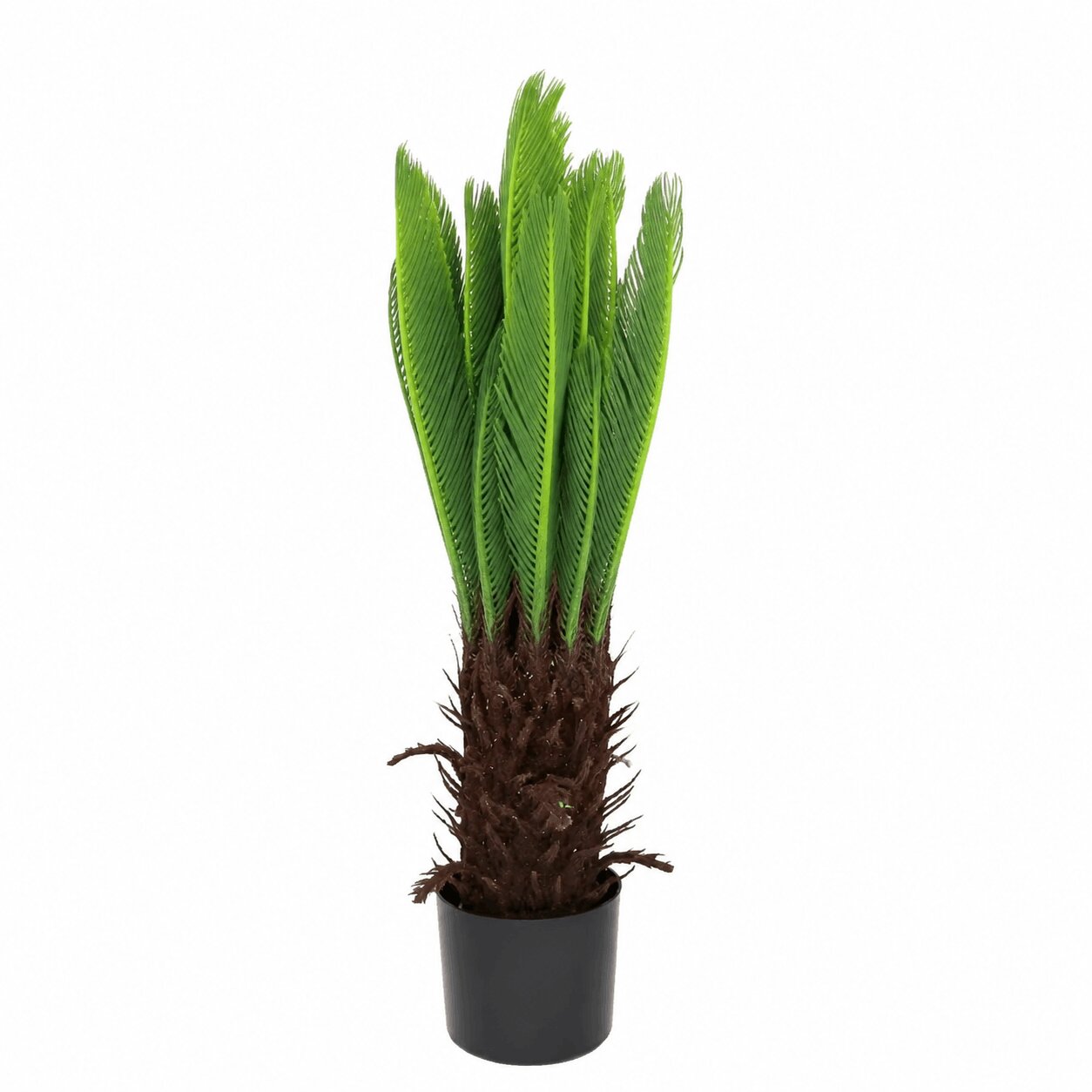
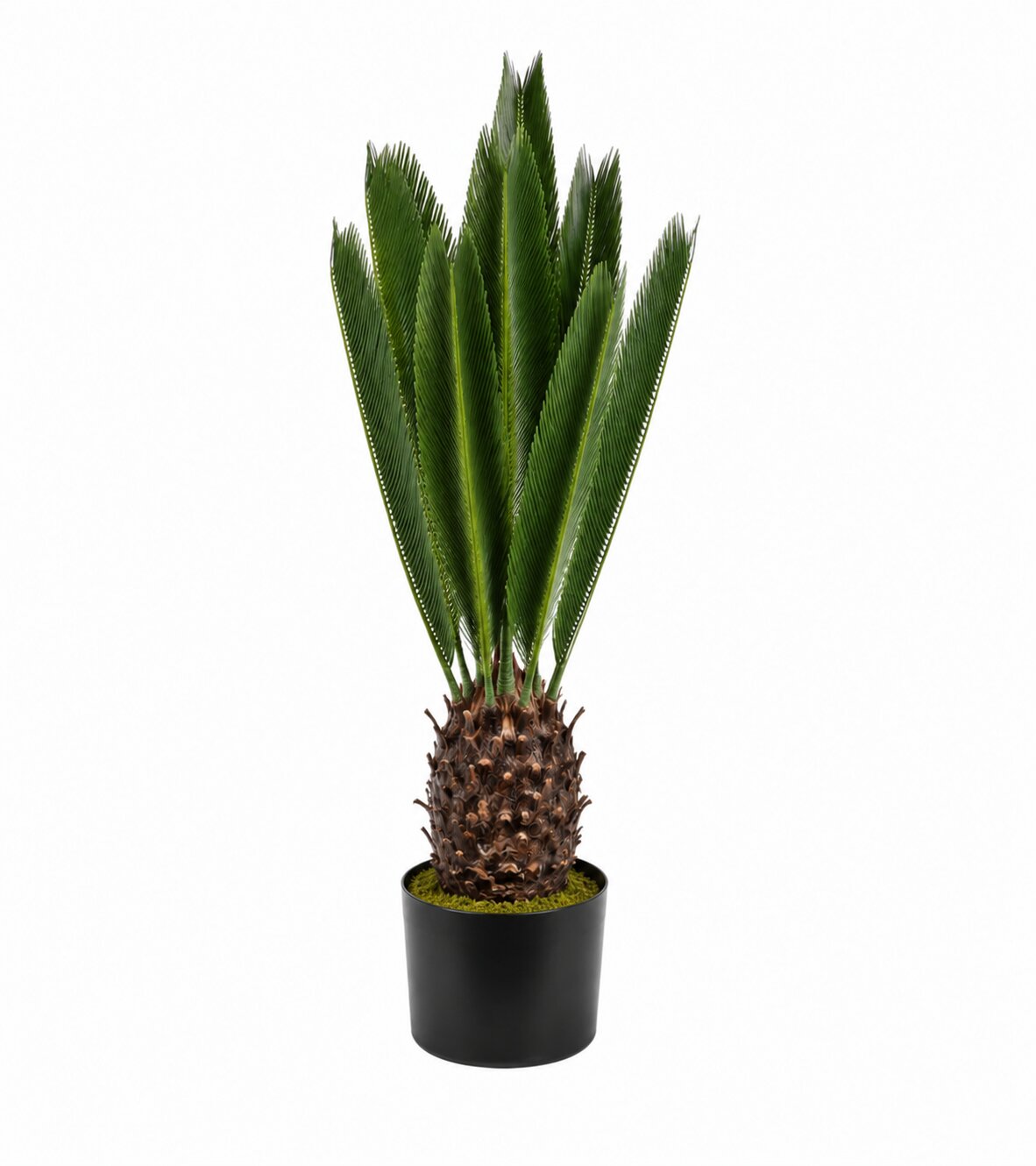
During transportation, artificial plants are commonly packed in compact forms. This may cause:
- Leaves to overlap each other
- Branches to move closer together
- Stems to bend slightly
- Flowers or foliage to lose their original arrangement
Unlike live plants, artificial plants will not naturally spread their leaves or adjust their branches over time. The final appearance depends on proper manual styling.
A few minutes of shaping can make a significant difference. By separating branches, adjusting leaf angles, and creating natural layers, an artificial plant can look much closer to a real plant.
Prepare Before Shaping Your Artificial Plant
Before you start adjusting your artificial plant, prepare a suitable workspace and a few basic tools.
Choose a Spacious Area
Large artificial trees need enough space to be fully opened. A small area may limit your ability to see the overall shape.
A good location should allow you to:
- Walk around the plant
- View it from different angles
- Adjust branches freely
Useful Tools
Most plants can be shaped by hand, but some tools can help.
Gloves
Gloves are useful when working with large artificial trees or plants with many branches. They also help prevent dust from transferring to the leaves.
Spray Bottle
A light mist of water may help relax certain fabric leaves or flower petals.
Hair Dryer
A hair dryer on low heat can help soften some materials. Keep it at a safe distance and avoid applying high heat directly.
Small Scissors
Scissors can be used to remove packaging ties or make minor adjustments if necessary.
Step-by-Step: How to Shape Artificial Plants After Unpacking
Step 1: Remove All Packaging Carefully
Start by removing protective materials slowly.
Do not immediately pull branches outward with force. First, check the plant structure and identify:
- Main stem position
- Branch connection points
- Leaf arrangement
- Overall plant direction
For larger artificial trees, remove packaging from top to bottom and gently release each section.
Shape the Main Structure First
One of the most important tips for how to reshape fake plants is to adjust the branches before the leaves.
The main structure determines the final appearance.
Start with:
Opening Large Branches
Move larger branches away from the center to create volume.
Creating Different Heights
Avoid keeping all branches at the same level. Natural plants usually have uneven growth patterns.
Checking Balance
Look at the plant from different directions and adjust areas that appear too empty or too crowded.
For artificial trees such as olive trees, ficus trees, and palm trees, branch positioning creates the foundation of a realistic appearance.
After shaping the leaves:
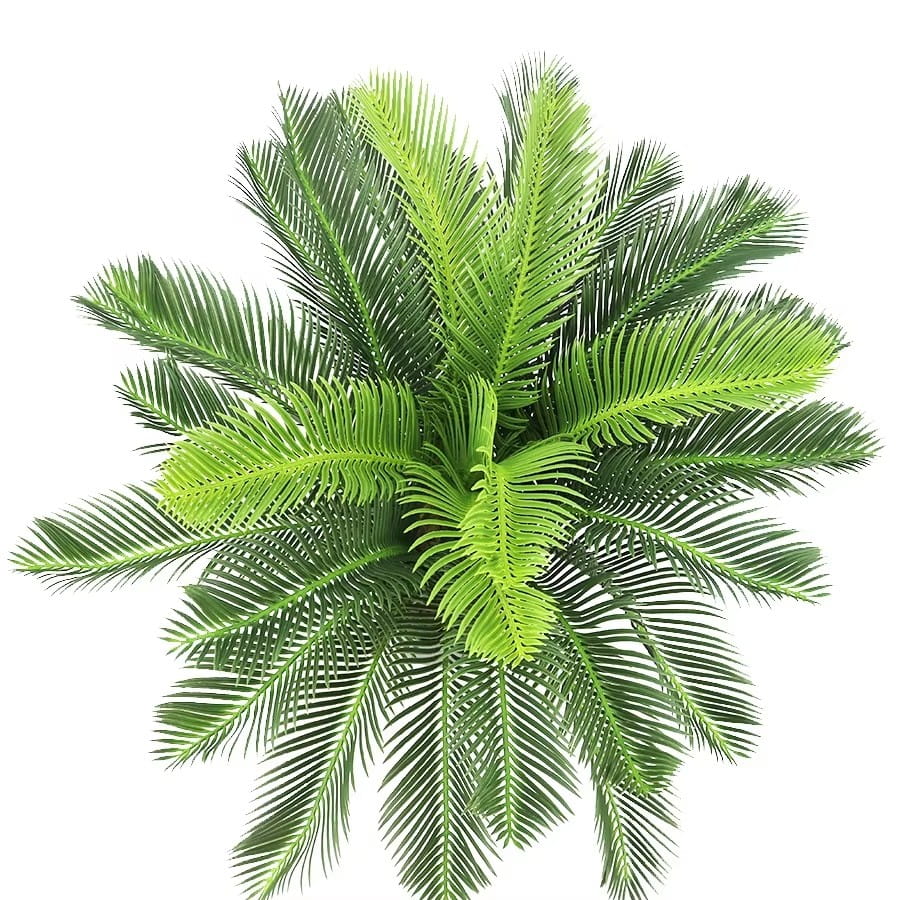
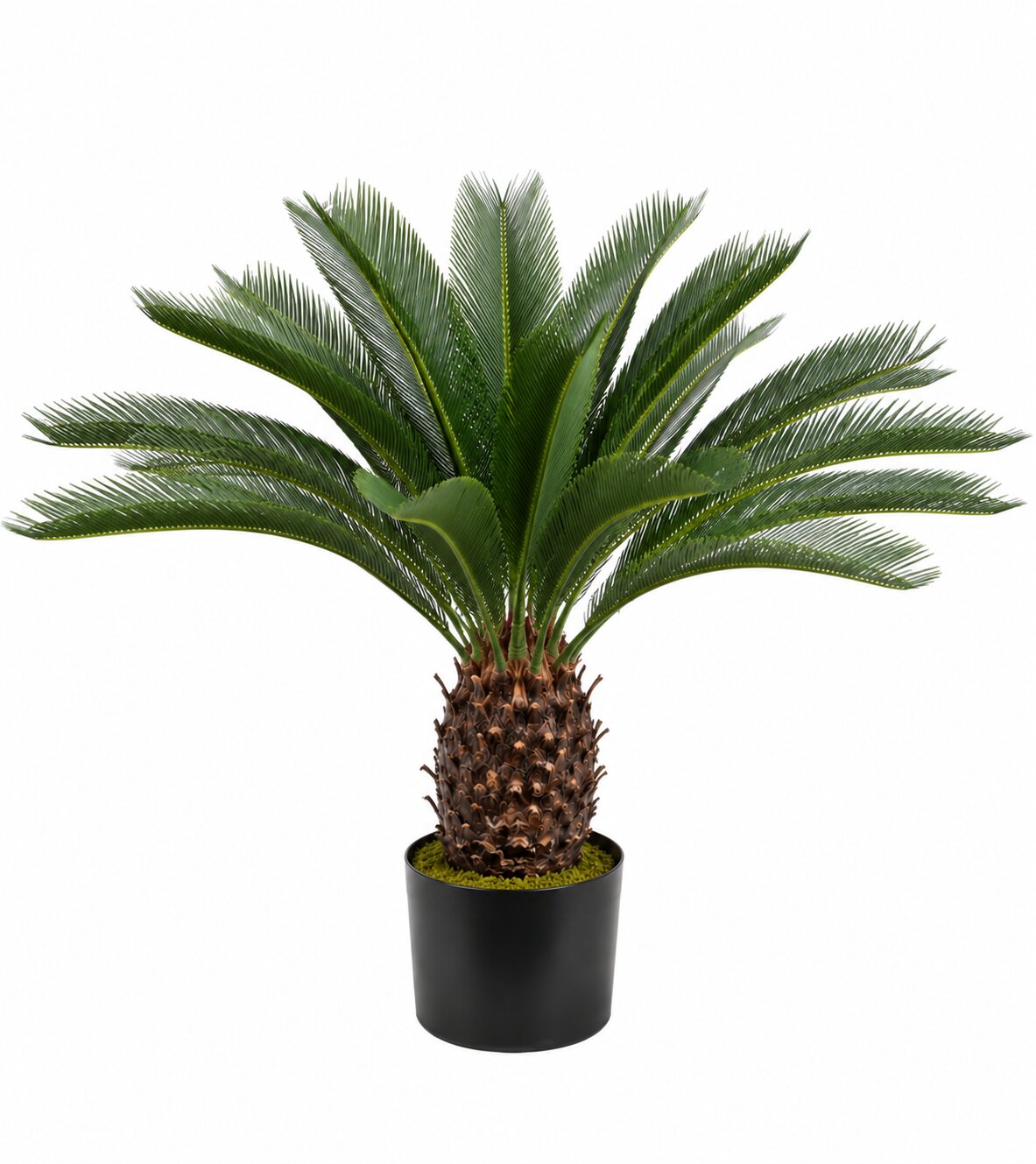
How to Fluff Artificial Plants for a Fuller Look
Many customers ask how to fluff artificial plants after receiving them.
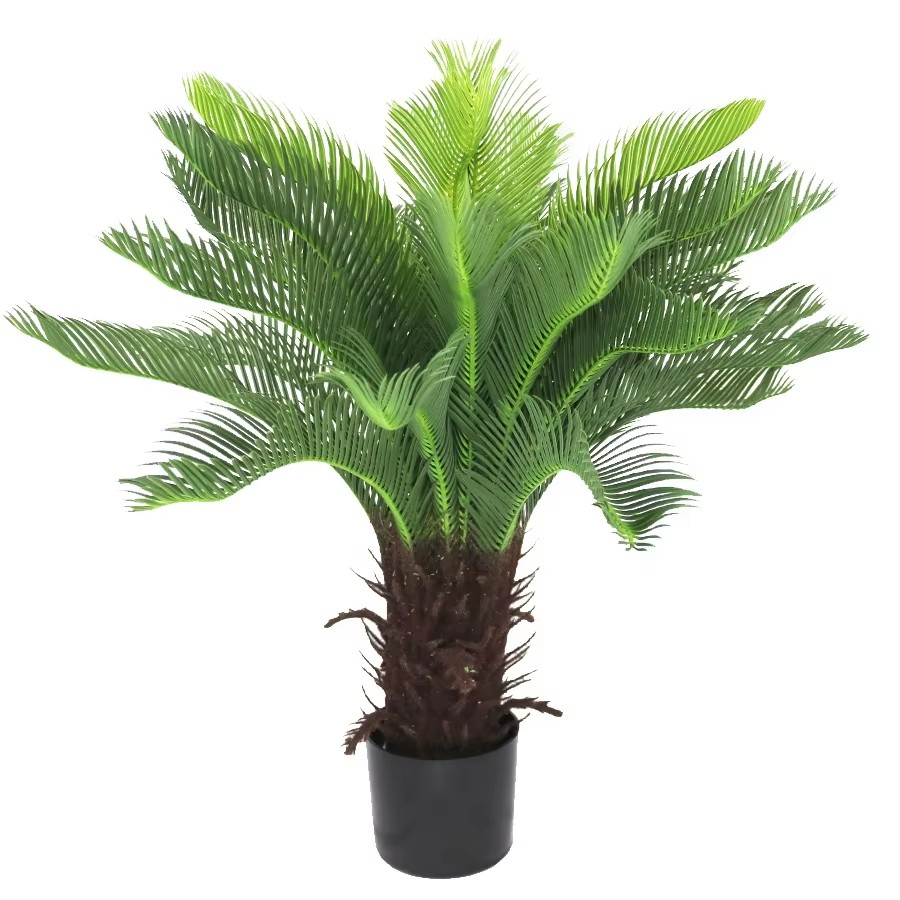
Fluffing means separating and arranging leaves to increase fullness and improve the overall shape.
Separate Leaves Individually
During transportation, leaves may stick together.
Gently separate them one by one instead of opening several leaves at the same time.
This helps prevent damage and creates a more natural arrangement.
Change Leaf Directions
In nature, leaves do not grow in identical directions.
Adjust leaves in different ways:
- Some facing upward
- Some extending sideways
- Some slightly downward
- Some closer to the center
This variation creates depth.
Build Layers
A realistic plant usually has multiple layers:
- Outer leaves create width
- Middle leaves create volume
- Inner leaves add depth
Avoid placing every leaf on the same surface.
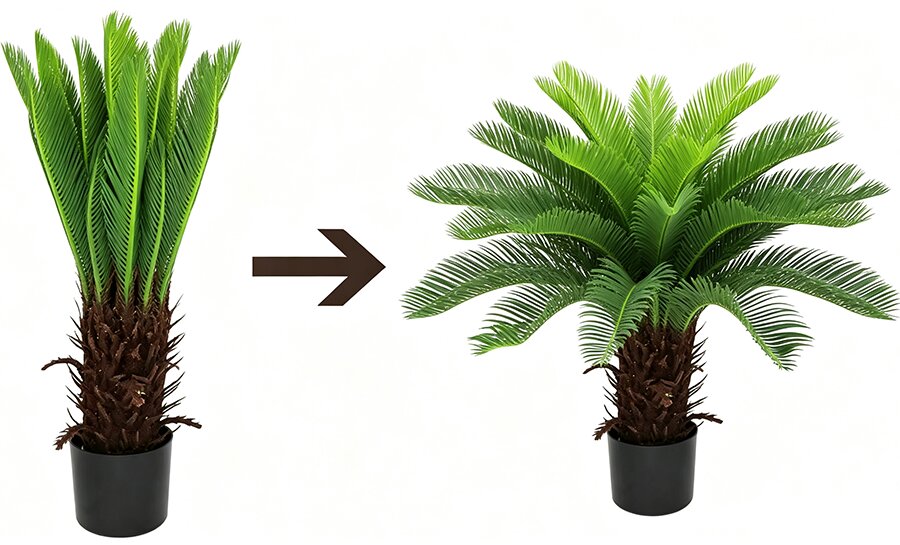
How to Arrange Artificial Plant Leaves Like a Real Plant
Correct leaf arrangement is one of the most important factors in making artificial plants look realistic.
Many artificial plants appear unnatural because every leaf is positioned too evenly.
Here are some practical methods.
Follow Natural Growth Patterns
Observe real plants and copy their growth direction.
For example:
Palm Trees
Palm leaves usually spread outward in a fan shape. Adjust each leaf at slightly different angles.
Monstera Plants
Large leaves often face different directions rather than all pointing forward.
Olive Trees
Olive branches usually have a soft, flowing shape with small leaves distributed along the stems.
Ficus Trees
Ficus trees often have a fuller canopy with overlapping layers.
Proper shaping is an important step after receiving an artificial plant. Although transportation may temporarily change the appearance, careful adjustment can restore the natural structure and improve the overall decorative effect.
By learning how to shape artificial plants after unpacking, how to make artificial plants look real, and how to arrange artificial plant leaves, anyone can create realistic greenery that works well for homes, offices, hotels, restaurants, and commercial spaces.
With the right styling techniques, artificial plants can provide long-lasting beauty while keeping maintenance simple.